
Can I Subdivide My Block in South Australia? Zoning & Eligibility
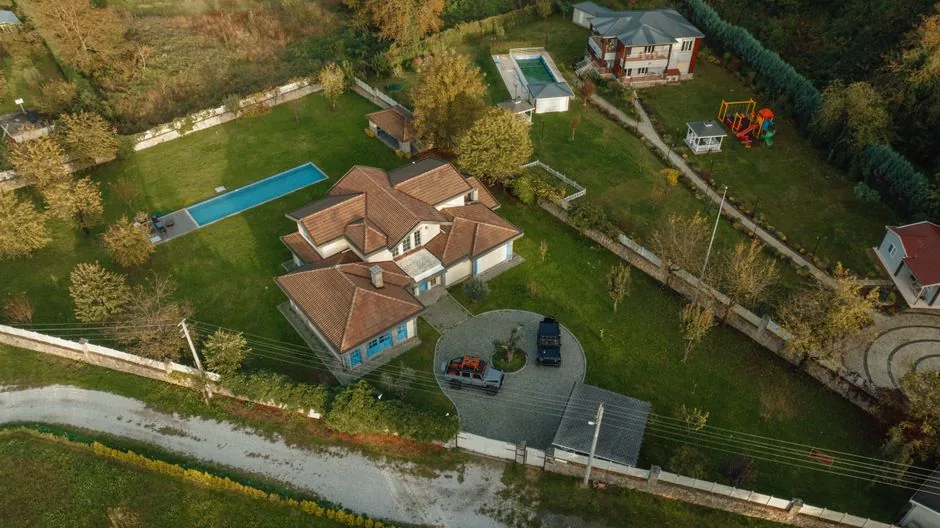
Photo: Ahmet Kurt via Pexels
Short answer: maybe — and the only reliable way to know is to check your specific property's zone and overlays, because South Australia has no single statewide minimum lot size. In SA, subdivision (formally "land division") means altering boundaries or dividing land into two or more allotments, and it can create Torrens Title, Community Title or Community Strata Title. Approval typically involves your local council, statutory authorities and the State Commission Assessment Panel (SCAP), with the final Plan of Division lodged at Land Services SA (source: Land Services SA — Land Division Process Fact Sheet).
Before you pay for drawings or a survey, run the quick self-scan below. It is designed to flag the deal-breakers early.
The 10-point subdivision self-check
Work through each line for your block. If you hit a hard "no" — especially on EFPA — it is usually time to stop before spending money.
- Address & current title. Have your full address and certificate of title handy. Knowing whether you hold Torrens or Community title matters, because Community-titled land follows different division rules.
- Zone. Look up your block's Zone in the South Australian Property and Planning Atlas (SAPPA), the official PlanSA mapping tool (source: PlanSA — Zoning for a property). Residential zones are generally the most workable; some zones discourage further division.
- Overlays. Note every Overlay shown — Heritage, Character, Flooding, Native Vegetation, Hazards (Bushfire) and similar. Overlays can add conditions or rule out division entirely.
- Minimum site area. Find the Minimum Site Area for your zone in the Planning and Design Code. There is no statewide number — it is set per zone, and sometimes per locality (source: Planning and Design Code / PlanSA).
- Frontage. Check the minimum frontage requirement too. A block can meet the area test but fail on frontage, which is a common reason a "big enough" block still cannot be split.
- Access & driveway. Can each proposed allotment get legal, practical vehicle access? Battle-axe (hammerhead) handle widths and driveway gradients often decide whether a layout works.
- EFPA risk. Confirm whether your land sits inside an Environment and Food Production Area (see below). Inside an EFPA, creating a new residential allotment is essentially a red light.
- Services & stormwater. Check that water, sewer, power and stormwater can reasonably serve a new allotment. Connection feasibility and stormwater disposal are frequently the hidden cost and the hidden blocker.
- Title type outcome. Decide which title you are aiming for — Torrens, Community Title or Community Strata — as it affects design, shared infrastructure and ongoing management.
- Likely cost & timeframe. Budget realistically (see the figures further down) and expect the process to run many months. A simple one-into-two is rarely quick.
If most lines look promising, the encyclopedic detail below explains the rules behind each check.
EFPA: the red-light check
Of every item above, the Environment and Food Production Area (EFPA) is the one most likely to stop a project cold. EFPAs cover parts of Greater Adelaide. Since 1 April 2019, land division applications that create one or more additional residential allotments within an EFPA have not been permitted (source: Law Handbook SA — Planning and Development). Non-residential allotments may be allowed only with approval of both the local council and the State Planning Commission, and there is no right of appeal against a refusal (source: Law Handbook SA — Planning and Development).
EFPA boundaries were first designated on 1 April 2017 and were substituted on 22 May 2025 to align with the Greater Adelaide Regional Plan, so the map has changed recently. The current designated EFPAs map is published on PlanSA — always check it before going any further (source: PlanSA — Environment and Food Production Areas).
Why there is no "magic number" for block size
This is where many owners get tripped up. There is no single statewide minimum lot size for subdivision in SA. The minimum site area and frontage are set per zone — and sometimes per locality — in the statewide Planning and Design Code, in force since 2021, which replaced the old individual council development plans (source: Planning and Design Code / PlanSA).
As general guidance, surveyors often suggest that in metropolitan Adelaide a block typically needs to be larger than about 700 sqm to be considered for subdivision, with 800 sqm-plus more comfortably yielding two well-sized lots. This is a rule of thumb only — the actual minimum is set by your zone and council, not a fixed statewide number. Treat any such figure as a prompt to check the Code, not as the answer. For a deeper look at the thresholds, see our guide to the minimum block size for subdivision in Adelaide.
The approval process and who's involved
Land division in SA requires Land Division Consent as part of development approval. SCAP is the lodgement authority for land division applications under the Planning, Development and Infrastructure Act 2016, and applications are assessed against the Planning and Design Code (source: Law Handbook SA — Planning and Development).
It is a multi-agency process that can take many months and sometimes years, because the application is referred to utility and service authorities (such as SA Water, electricity and Transport) and the council — each of which must give clearance before SCAP issues the Certificate of Approval (source: Land Services SA — Land Division Process Fact Sheet). The eight steps are:
- Preliminary council enquiry
- Engage a surveyor / conveyancer
- SCAP lodgement and approval
- Lodgement with Land Services SA
- Examination of the plan
- Examination of dealings
- Deposit of plan
- Issue of title
(source: Land Services SA — Land Division Process Fact Sheet)
Fees, open space and likely costs
Some costs are fixed statutory fees; others vary. The published statutory figures are:
| Item | Amount (2025-26) |
|---|---|
| Land Division Certificate of Approval fee | $1,190 (paid after development approval, when you apply for the certificate) |
| Land division assessment fee | From $203, plus $18.50 per additional allotment over 4 lots |
| Open space contribution (in lieu of land) — Metro & Outer Metro Adelaide | $7,253 per additional allotment up to 1 hectare |
| Open space contribution — Regional SA | $2,912 per additional allotment |
(sources: PlanSA — Fees and Charges at a Glance (December 2025); Department for Infrastructure and Transport — Open space contributions)
These are the 2025-26 figures. Most SA planning fees update on 1 July, so confirm the current 2026-27 schedule against the latest PlanSA Fees Notice before you budget.
On open space: under Section 198 of the PDI Act 2016, for a division creating more than 20 allotments where one or more allotment is under 1 hectare, up to 12.5% of the relevant area must be vested as open space, or a prescribed contribution paid in lieu — the percentage cannot exceed 12.5% (source: PDI Act 2016, Section 198). In practice, the 12.5% land requirement mainly affects larger divisions; smaller projects typically pay the per-allotment cash contribution above.
For a sense of the total, industry estimates put a simple one-into-two land division in metropolitan Adelaide in the order of $30,000–$35,000, covering surveyor fees, SCAP/council fees, Land Services SA lodgement and examination, open space contribution and conveyancing for the new titles. Utility and NBN connections are extra and not part of the land division application. Cost figures vary by source and over time, so treat these as estimates and confirm the statutory fees against the current Fees Notice. For a fuller breakdown, see our cost to subdivide land in Adelaide guide, and before you commit, a feasibility study will test whether the numbers actually stack up.
Frequently asked questions
Q: Is there a minimum block size to subdivide in SA? No statewide figure exists. Minimum site area and frontage are set per zone (and sometimes per locality) in the Planning and Design Code. Surveyor guidance suggests roughly 700–800 sqm in metro Adelaide, but you must check your specific address (source: Planning and Design Code / PlanSA).
Q: How do I check if my block can be subdivided? Start with SAPPA, the official PlanSA mapping tool, to confirm your zone and overlays, then search the online Code for your address to find the applicable policies (sources: PlanSA — Zoning for a property; Planning and Design Code / PlanSA).
Q: What if my land is in an EFPA? Since 1 April 2019, you generally cannot subdivide to create additional residential allotments within an EFPA in Greater Adelaide — it is essentially a red light. Check the current EFPA map on PlanSA first (sources: Law Handbook SA; PlanSA — Environment and Food Production Areas).
Q: How long does subdivision take? It can take many months and sometimes years, because the application is referred to multiple utility authorities and the council before SCAP issues the Certificate of Approval (source: Land Services SA — Land Division Process Fact Sheet).
Q: I'm an overseas buyer — are there extra rules? Foreign persons generally need foreign investment (FIRB/ATO) approval before buying residential land in Australia. Vacant residential land is usually conditional on completing construction within 4 years and not selling before construction is complete (source: Foreign Investment in Australia (Treasury)).
How Cyberate PM can help
The fastest way to lose money on a subdivision is to pay for survey and design before discovering an EFPA flag, an overlay, or a frontage shortfall. As an Adelaide-based development manager, Cyberate PM de-risks that first stage: we cross-check your zone and overlays on SAPPA and the Planning and Design Code, screen for EFPA and access constraints, sanity-test services and stormwater, and model realistic costs and yields — then steer the SCAP land division process end to end if it stacks up.
Send us your address and title details and we can run a preliminary subdivision risk check before you spend money on drawings or survey work. Start via our partner-with-us pathway for landowners, or book a consultation and we'll tell you honestly whether your block is worth pursuing.
Sources
- Land Services SA — Land Division Process Fact Sheet
- Planning and Design Code (code.plan.sa.gov.au) / PlanSA
- Law Handbook SA — Planning and Development (Legal Services Commission of SA)
- PlanSA — Environment and Food Production Areas
- Planning, Development and Infrastructure Act 2016 (SA), Section 198 (AustLII)
- Department for Infrastructure and Transport — Open space contributions
- PlanSA — Fees and Charges at a Glance (December 2025)
- South Australian Government Gazette — PDI (Fees) Notice, 18 December 2025
- PlanSA — Zoning for a property
- Foreign Investment in Australia (Treasury) — Residential land

Written by
Lin Yuan
Marketing Specialist, Cyberate PM
Lin Yuan is a marketing specialist at Cyberate PM (DDDI Group) in Adelaide, focused on making South Australian property development and project management clear for landowners, investors and developers.
View LinkedIn profileReady to Start Your Next Property Development Project?
We empower developers and investors by providing comprehensive property development solutions, from planning and management to investment analysis and value prediction. Let us simplify your journey to success.