
Development Manager vs Project Manager: What's the Difference?
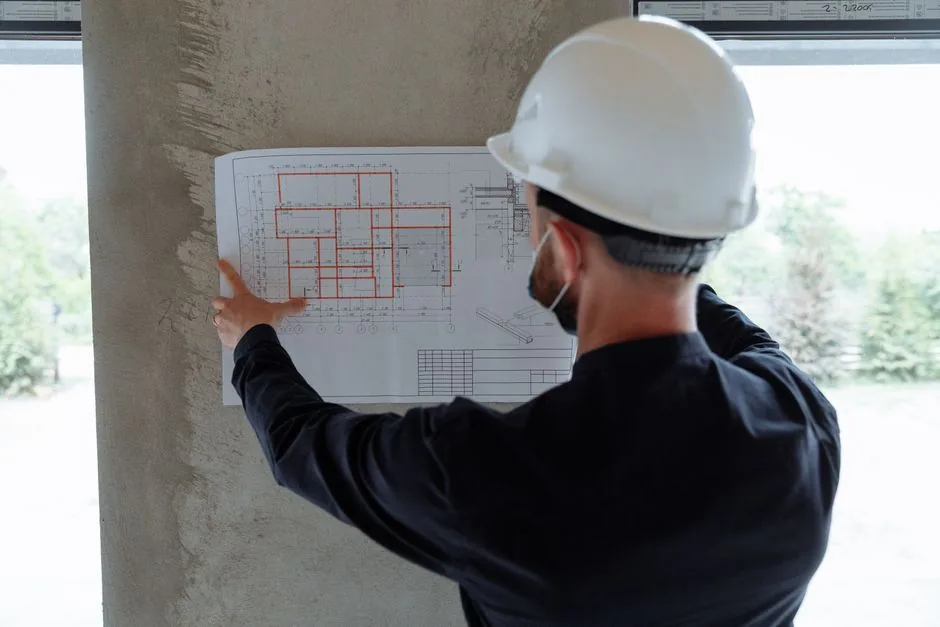
Photo: Thirdman via Pexels
If you are weighing up a property development and trying to work out who you actually need, here is the short answer: a development manager typically runs the development, and a project manager runs the build (source: Feasly). The development manager generally owns the whole lifecycle and the commercial outcome; the project manager is the specialist who delivers the physical works. On larger projects you often have both, working side by side (source: McAndrew Group). Below, we explain where the line usually sits, what each costs, and why the distinction matters so much in South Australia's planning system.
What a development manager does
A development manager (DM) is the generalist who runs the entire project lifecycle and owns the commercial result. The scope typically spans feasibility, site acquisition, design, town planning, the development application and approval, financing, construction tender selection, budget and cashflow, sales and marketing, and legal matters (source: McAndrew Group).
Crucially, the DM is generally present from day one. They are engaged pre-acquisition for site analysis, feasibility and funding, and stay through to final settlement, accountable for "the budget, the programme, the planning result, and ultimately the profit" (source: Feasly). The DM is designed to be the single point of accountability for whether the development makes money.
What a project manager does
A project manager (PM) is the specialist responsible for delivering the physical works: documentation, coordination, tender, procurement, contract administration, programme and cost (source: McAndrew Group). The PM focuses on the construction phase, is usually engaged "once approvals are in place and the project is ready to go vertical," and typically reports to the development manager or directly to the developer (source: Feasly).
On larger projects it is common to run both roles together: a development manager steering the overall project alongside a project manager or superintendent administering the construction contract (source: McAndrew Group).
The roles at a glance
| Development Manager | Project Manager | |
|---|---|---|
| Focus | Runs the development | Runs the build |
| Engaged | From day one (pre-acquisition) | Once approvals are in place |
| Scope | Feasibility, acquisition, design, planning, finance, sales, legal | Documentation, tender, procurement, contract, programme, cost |
| Accountable for | Budget, programme, planning result, commercial outcome & feasibility discipline | Delivering the physical works |
| Reports to | The developer / owner | The development manager or developer |
(Source: McAndrew Group; Feasly)
A useful caveat: these titles are used differently across firms and projects, so the safest approach is to compare the actual scope of services on offer rather than the job title alone. One firm's "project manager" may cover work another firm bundles into "development management." When you receive a proposal, read the scope schedule line by line and confirm exactly which lifecycle stages it includes.
When a landowner actually needs a development manager
Not every project needs a dedicated development manager, but several situations make one genuinely valuable:
- Site feasibility is still unknown. You hold a site but do not yet know what yield, mix or planning pathway it can support, and you want that tested before you commit capital. (See our guide to a feasibility study in Adelaide.)
- You do not want to coordinate the consultant team yourself. Engaging and managing the surveyor, planner, architect and engineers — and keeping them aligned to one budget and programme — is a full-time job that a DM absorbs.
- The project involves a joint venture, an investor or external finance. Where other people's money is at stake, a single point of commercial accountability protects everyone's position.
- There is real risk between approval and build. The gap between securing planning consent and going vertical is where budgets, conditions and timing tend to unravel; a DM is designed to manage that handover so it does not stall.
If none of these apply — say, a simple build on a site with a clear approval already in hand — a project manager alone may be enough.
How the two are priced
The two services are charged on different bases. Development management fees are usually structured as a percentage of total project cost or revenue, a flat negotiated fee for an agreed scope, or with a performance/incentive component tied to a profit hurdle. On larger projects they typically run in the "low single digits of total development cost." Project management fees are usually a percentage of construction cost on a sliding scale that falls as the contract value rises, generally without an incentive component (source: Feasly).
Indicative Australian project management fee ranges by project size (ex GST) look like this:
| Project size | Indicative PM fee |
|---|---|
| Under $1M | ~4–5% |
| $1M–$5M | 3–4% |
| $5M–$10M | 2–3% |
| Over $10M | ~2.5% or lower |
For developments over $3M GDV, project management tends to run at about 1–2% of build costs. Larger projects often attract lower percentage fees because of economies of scale (source: Little Fish Properties).
These are indicative ranges drawn from industry sources, not fixed rates. Actual fees are negotiated per scope and project size.
Why the distinction matters in South Australia
What makes the DM role genuinely valuable in South Australia is the regulatory ground a developer has to cover before a single brick is laid. Land-use planning and assessment here are governed by the Planning, Development and Infrastructure Act 2016 (PDI Act), with the planning system fully commencing on 19 March 2021. It established the State Planning Commission as the principal planning and assessment body and an electronic ePlanning portal (source: SA Law Handbook).
Under the PDI Act, development is sorted into categories that set the assessment pathway: Exempt, Accepted, Code Assessed (split into Deemed-to-Satisfy and Performance Assessed), and Impact Assessed, including Restricted development for major projects (source: SA Law Handbook). The single most important document in day-to-day assessment is the Planning and Design Code, which replaced council-by-council Development Plans and is applied through the ePlanning portal (source: PlanSA).
Timeframes run in business days. Every assessment type has a five business day verification period at the start and two business days at the end for the decision. For deemed-to-satisfy proposals the decision-maker must grant approval after five business days of assessment; for performance assessed proposals the assessment "clock" can be suspended when further information is requested and restarts when it is received (source: PlanSA). Navigating which pathway applies, and keeping that clock running, is exactly the kind of work a development manager handles so the construction-focused project manager can deliver once consent is secured.
What about subdividing land?
If your project involves a land division, the development manager also manages the titling pathway. In South Australia, land division means altering boundaries or dividing land into two or more allotments, available by Torrens Title or Community Title (new strata divisions can no longer be created). Division typically requires approval from the local council, statutory authorities and the relevant assessment panel — historically the State Commission Assessment Panel (SCAP) (source: Land Services SA).
The workflow runs from a preliminary council enquiry, through engaging a surveyor, panel approval, lodgement with Land Services SA, examination and deposit of the plan, to issue of title. Once all conditions are met, a Certificate of Approval is issued, which is then used to lodge the plan and obtain new Certificates of Title (source: Land Services SA; PlanSA). The process can take many months, sometimes years. An open space contribution (a monetary payment in lieu of open space, paid into the Planning and Development Fund) is also generally payable for developments dividing land into 20 or fewer allotments, as well as for strata and community titles (source: PlanSA). Coordinating all of this is core development-management work, not construction work.
A note on currency: PlanSA, Land Services SA and council fees and contribution rates are reviewed regularly, and many SA fee schedules update on 1 July. Before you budget, confirm the current 2026-27 figures against the official sources below.
Frequently asked questions
Q: Is a development manager the same as a project manager? Generally no. A development manager runs the whole development and owns the commercial outcome, while a project manager delivers the physical construction works (source: McAndrew Group). The simplest way to remember it: a development manager runs the development; a project manager runs the build (source: Feasly). Because firms use these titles differently, compare the scope of services rather than the title.
Q: Do I need both on my project? On larger projects it is common to have both, with the development manager running the overall project and a project manager or superintendent administering the construction contract (source: McAndrew Group). The right answer depends on your project's complexity, finance structure and the risk between approval and build — not on size alone.
Q: When is each one engaged? The development manager is typically involved from day one, before acquisition, through to final settlement. The project manager is usually engaged once approvals are in place and the project is ready to go vertical (source: Feasly).
Q: How are their fees structured? Development management fees are usually a percentage of total project cost or revenue, a flat fee, or include a performance component, often in the low single digits of total development cost. Project management fees are usually a percentage of construction cost on a sliding scale that falls as contract value rises (source: Feasly).
Q: Who does the development manager report to? The development manager is accountable to the developer or owner. The project manager typically reports to the development manager or directly to the developer (source: Feasly).
How Cyberate PM can help
The most expensive risks in a development tend to cluster at the seams — between feasibility and acquisition, between planning consent and build, and between land division and title. As an Adelaide-based development manager, Cyberate PM is built to hold those seams together: we pressure-test feasibility before you commit capital, map and drive the correct PDI Act assessment pathway, coordinate the surveyor, planner and engineering team to one budget and programme, and manage the handover to construction so the project does not stall after approval. The result is designed to be a single point of commercial accountability for the budget, the programme and the planning result.
If you want to know what your site can actually support, start with a feasibility study, and to understand what management costs, see our breakdown of development management fees in Adelaide. Explore our full services, or if you are holding a site and weighing your options, see how we work with project owners to scope a development manager engagement around your specific risks.
Sources
- McAndrew Group – The Differences Between A Development Manager And A Project Manager: Generalist Vs Specialist
- Feasly – Development Manager vs Project Manager in Australia
- Little Fish Properties – Property Development Project Management Fees
- South Australian Law Handbook – Planning and Development
- South Australian Law Handbook – Categories of Development
- PlanSA – Assessment stages and timeframes
- PlanSA – Planning and Design Code
- PlanSA – Planning and Development Fund (open space contributions)
- Land Services SA – Land Division Fact Sheet
- PlanSA / SA Planning Commission – Land division Certificate of Approval

Written by
Lin Yuan
Marketing Specialist, Cyberate PM
Lin Yuan is a marketing specialist at Cyberate PM (DDDI Group) in Adelaide, focused on making South Australian property development and project management clear for landowners, investors and developers.
View LinkedIn profileReady to Start Your Next Property Development Project?
We empower developers and investors by providing comprehensive property development solutions, from planning and management to investment analysis and value prediction. Let us simplify your journey to success.