
Navigating the Section 138 Certificate of Approval Process in SA
Understanding Section 138 Under the PDI Act 2016
In South Australia's land development framework, securing Planning Consent and Building Consent does not immediately grant authorization to generate new, independent Certificates of Title. Under Section 138 of the Planning, Development and Infrastructure Act 2016 (PDI Act), a statutory Certificate of Approval issued by or on behalf of the State Planning Commission via the PlanSA portal is mandatory before a plan of division can be deposited with Land Services SA (LSSA).
This certificate serves as official confirmation that the developer has satisfied all necessary conditions of development approval, or made approved statutory arrangements (such as financial bonds or binding legal agreements). Without this clearance certificate, LSSA cannot deposit the final plan or issue new titles. For broader background on land division title delays, see our article My Subdivision Is Approved — Why Don't I Have Titles Yet?.
Coordinating Clearances: Council, SA Water, and SAPN
Securing a Section 138 Certificate of Approval requires clearing condition requirements across three primary clearance authorities: the local municipal Council, SA Water, and SA Power Networks (SAPN). Because each authority operates under separate technical criteria, parallel coordination is essential.
1. Local Council Clearances
Municipal councils evaluate public realm infrastructure and site clearance conditions. Typical requirements include:
Verification of full site clearance and complete demolition of existing structures;
Construction of compliant vehicle kerb crossovers and stormwater infrastructure connections;
Reinstatement of council footpaths, tree protection compliance, or payment of infrastructure bonds.
2. SA Water Clearances
SA Water assesses water supply and wastewater infrastructure capability. Developers are commonly required to:
Pay network augmentation charges or infrastructure contribution fees;
Complete physical civil works, such as separate water services or sub-metering installations;
Execute formal service agreements to obtain SA Water’s certificate of clearance.
It is also worth noting that the Statutes Amendment (Planning, Infrastructure and Other Matters) Act 2025, passed by the South Australian Parliament in November 2025, inserts a new subsection 138(1a) into the PDI Act. This amendment formally requires the State Planning Commission to withhold a Section 138 certificate unless SA Water has notified the Commission that either each allotment in the division has water and sewerage connections, or the developer has entered into a binding agreement with SA Water for the provision of those services, or SA Water is not responsible for servicing the land in question. This effectively elevates what has long been administrative practice into a statutory precondition. The exact commencement date and current operative status of this provision should be confirmed with your planning consultant or legal adviser.
3. SA Power Networks (SAPN) Clearances
Electrical reticulation often requires significant lead time. Requirements typically involve:
Transformer capacity assessments and execution of network connection agreements;
Physical underground cabling or installation of distribution service pillars;
Registration of statutory power supply easements on the final plan of division where infrastructure crosses boundary lines.
From Clearance Fulfillment to PlanSA Certification and LSSA Lodgement
Once Council, SA Water, and SAPN issue their respective written clearances, these approvals are consolidated and submitted to the State Planning Commission through the PlanSA portal.
Under the Planning, Development and Infrastructure (General) Regulations 2017, the Commission validates that all consent conditions have been discharged or appropriately secured. Upon verification, the statutory Section 138 Certificate of Approval is issued.
Only after this certificate is issued can the licensed surveyor and conveyancer formally lodge the final plan and legal documentation with Land Services SA (LSSA) for final examination and title creation. To understand how to manage this phase strategically, refer to The Window Between Approval and Titles Need Not Be Dead Time.
Strategic Best Practices to Prevent Final-Stage Delays
The condition clearance phase is often a bottleneck in the development timeline. To mitigate holding costs and avoid delays, land owners and developers should consider the following best practices:
Initiate Clearances in Parallel: Apply for clearances from Council, SA Water, and SAPN concurrently immediately following development approval, rather than sequencing them sequentially.
Schedule Physical Works Early: Physical site works, including crossover construction, pipe connections, and electrical easements, should be scheduled early, as incomplete physical works often stall authority sign-offs.
Verify Current Statutory Fees: Infrastructure contributions and authority fees are subject to regular updates. Budget calculations should always be verified with consultants against current fee schedules.
Engage Professional Management: Coordinating licensed surveyors, conveyancers, civil contractors, and utility authorities requires active management to align critical paths and maintain project momentum.
Sources
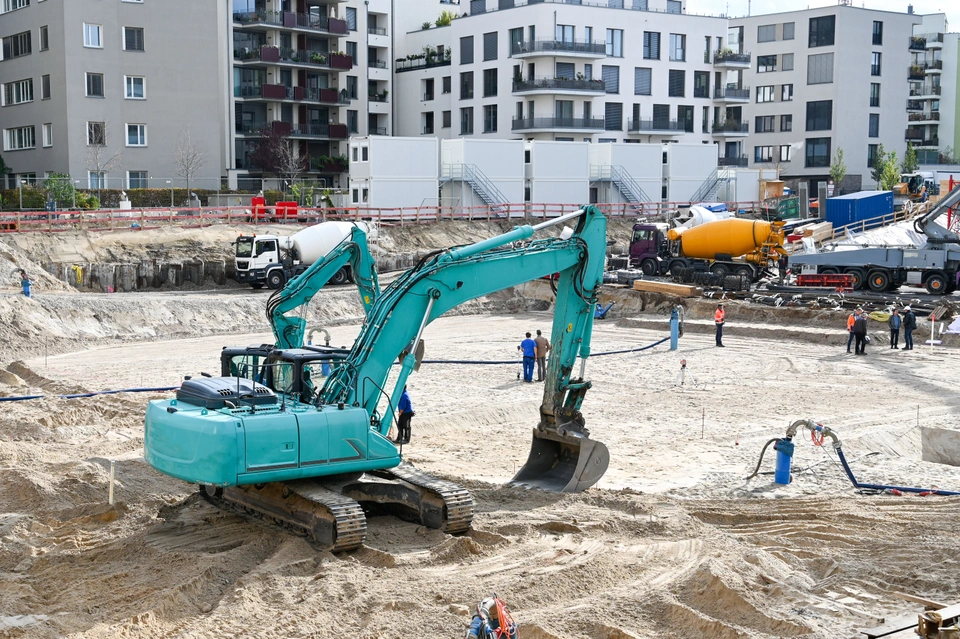
Illustrative image only — not a photograph of a Cyberate PM project. Photo by adrian vieriu on Pexels.
About the author
Lin Yuan
Expert property development and project management insights.
Not Sure Whether Your Site Stacks Up?
Send us the address and your goal. We will identify the first planning, buildability and feasibility questions before you commit further capital.