
Driveway Crossovers in SA Land Division: Navigating Section 221 Permits and Planning Approvals
Driveway Access Is Not an Automatic Right: The Section 221 Framework
When undertaking a land division in South Australia, developers and property owners often focus on minimum frontage thresholds, utility connections (such as SA Water and SAPN) and the planning approval itself. However, how the newly created allotments will physically connect to the public road network is frequently overlooked until civil works begin. Under section 221 of the Local Government Act 1999 (SA), constructing or altering a driveway crossover across a public road reserve onto private property is not an automatic right.
The road reserve, which includes footpaths, nature strips and kerbing, is public land administered by the local council. Under section 221(1) of the Local Government Act 1999, a person other than the council, or a person acting under some other statutory authority, must not make an alteration to a public road unless authorised by the council (maximum penalty $5,000). Section 221(2)(a) provides that a person alters a public road if they alter the construction or arrangement of the road to permit or facilitate access from an adjacent property. In addition, under section 218 of the Act, the property owner is responsible for constructing and maintaining the driveway crossover between the kerb and the property boundary, and councils generally do not contribute to the cost. Where works are carried out without authorisation, the council may require rectification, and the specific course of action depends on the council’s notice.
Interplay Between PlanSA Planning Approvals and Section 221 Authorisations
A frequent point of uncertainty is whether obtaining planning approval through the PlanSA portal removes the need for a separate section 221 application. The answer depends on the scope of the documentation assessed and on the individual council’s requirements.
Section 221(3)(b) provides that an authorisation is not required under section 221 where the purpose of the alteration is to permit vehicular access to and from adjoining land and the alteration is approved as part of a development authorisation. Some councils, such as Kangaroo Island Council, therefore advise that where a development application has included the design and location of the crossover and has been approved, a separate section 221 authorisation is not needed. Council practice differs, however: the City of Port Adelaide Enfield (PAE)’s policy states that a crossover approved as part of a development authorisation does not need separate approval, but a permit under sections 221 and 222 is still required for the associated works that occupy the road and footpath; the City of Holdfast Bay requires a section 221 application at least seven working days before works start, quoting the development application number, and its approval is subject to the development application being approved. PlanSA’s engagement report on residential driveway crossovers also notes that some councils require a section 221 application after development approval is issued, before the crossover is built. Where a land division has been approved without a specific building proposal, or where an existing crossover needs to be moved, a separate application to the council will generally be needed.
In addition, under Schedule 8 of the Planning, Development and Infrastructure (General) Regulations 2017, the documentation required with an application relates to existing or proposed vehicle access points. Land division clearance should therefore not be treated as permission to start work at the kerb.
Council Engineering Assessment: Street Trees, Infrastructure, and Contractor Standards
When assessing a driveway crossover application, a council’s engineering team generally reviews the site conditions against the council’s engineering standards. Common assessment factors include:
Street Trees: Council verges often host mature street trees. A new crossover close to a mature street tree will generally be assessed for its impact on the tree’s roots and canopy. Council requirements differ; for example, some councils set a minimum distance between a crossover and a council tree, and this should be confirmed with the council where the site is located.
Municipal Assets and Utilities: A crossover must generally keep appropriate clearances from stormwater side entry pits, fire hydrants, street light poles, electrical pits and bus stop signs. Any cost of relocating public infrastructure is generally payable by the applicant.
Unmade Road Restrictions: Some councils (for example Kangaroo Island Council) state in their policies that, where the road is unmade or not open to traffic, they may be unable to authorise crossover construction, because there is no formed edge of the travelled way.
Contractor Requirements: Several councils set contractor requirements for crossovers and inverts: the City of Holdfast Bay generally requires a qualified contractor with demonstrated experience in civil works and requires contractor details to be provided with the application; PAE requires works to be carried out by a licensed civil contractor to its standard drawings.
Practical Considerations for Subdividers and Developers
A land division is not just a matter of boundary lines on a plan; it also depends on how the works connect on the ground. For owners planning a residential subdivision, the following checks are recommended during the early planning stage:
At land division design stage, have the surveyor or design team mark the proposed crossover locations accurately and check the clearances to existing street lights, street trees and service pits, so that crossovers can still be built after the division is approved.
Confirm with the assessing council whether the development approval already covers the section 221 authorisation, or whether a separate crossover permit is needed, and whether a permit under section 222 for the occupation of or works on the road is also required.
Allow in the construction budget for removal of the existing invert, kerb reinstatement and potential relocation of public utilities, and engage a civil contractor accepted by the council to carry out the works to its standard details, with inspections arranged on time.
Sources
Local Government Act 1999 (SA) s 221, Alteration of road | AustLII
Property Access (Driveway Crossover) S221 | Kangaroo Island Council
Council Policy TS03, Driveway Crossovers | City of Port Adelaide Enfield
Driveway Invert and Crossover 221 Form | City of Holdfast Bay
Residential Driveway Crossovers Design Standard and Code Amendment, Engagement Report | PlanSA
Planning, Development and Infrastructure (General) Regulations 2017
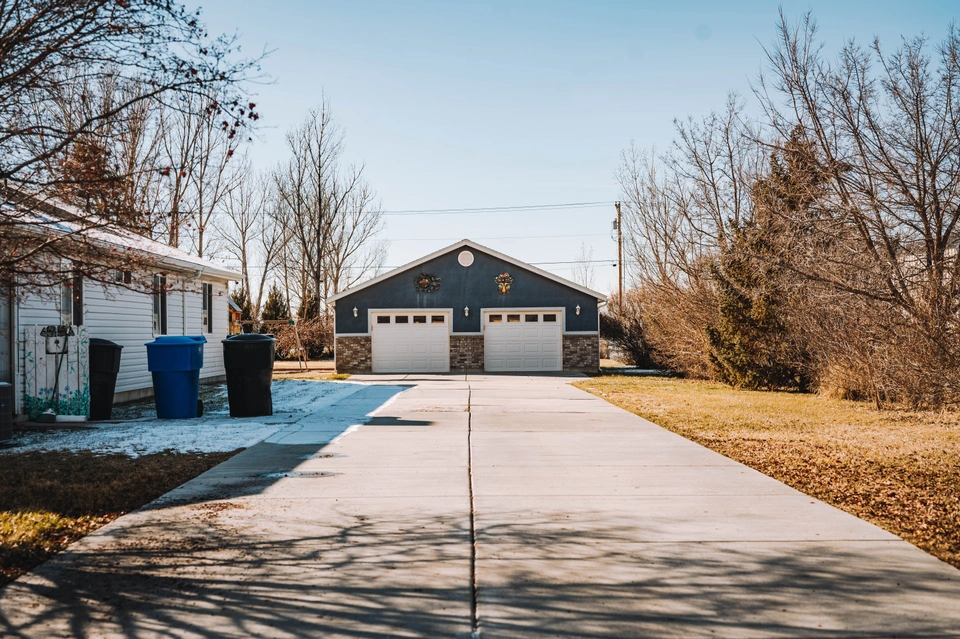
Illustrative image only — not a photograph of a Cyberate PM project. Photo by David Guerrero on Pexels.
About the author
Lin Yuan
Expert property development and project management insights.
Not Sure Whether Your Site Stacks Up?
Send us the address and your goal. We will identify the first planning, buildability and feasibility questions before you commit further capital.